
Services
 omaha
omaha
urban planning
our services
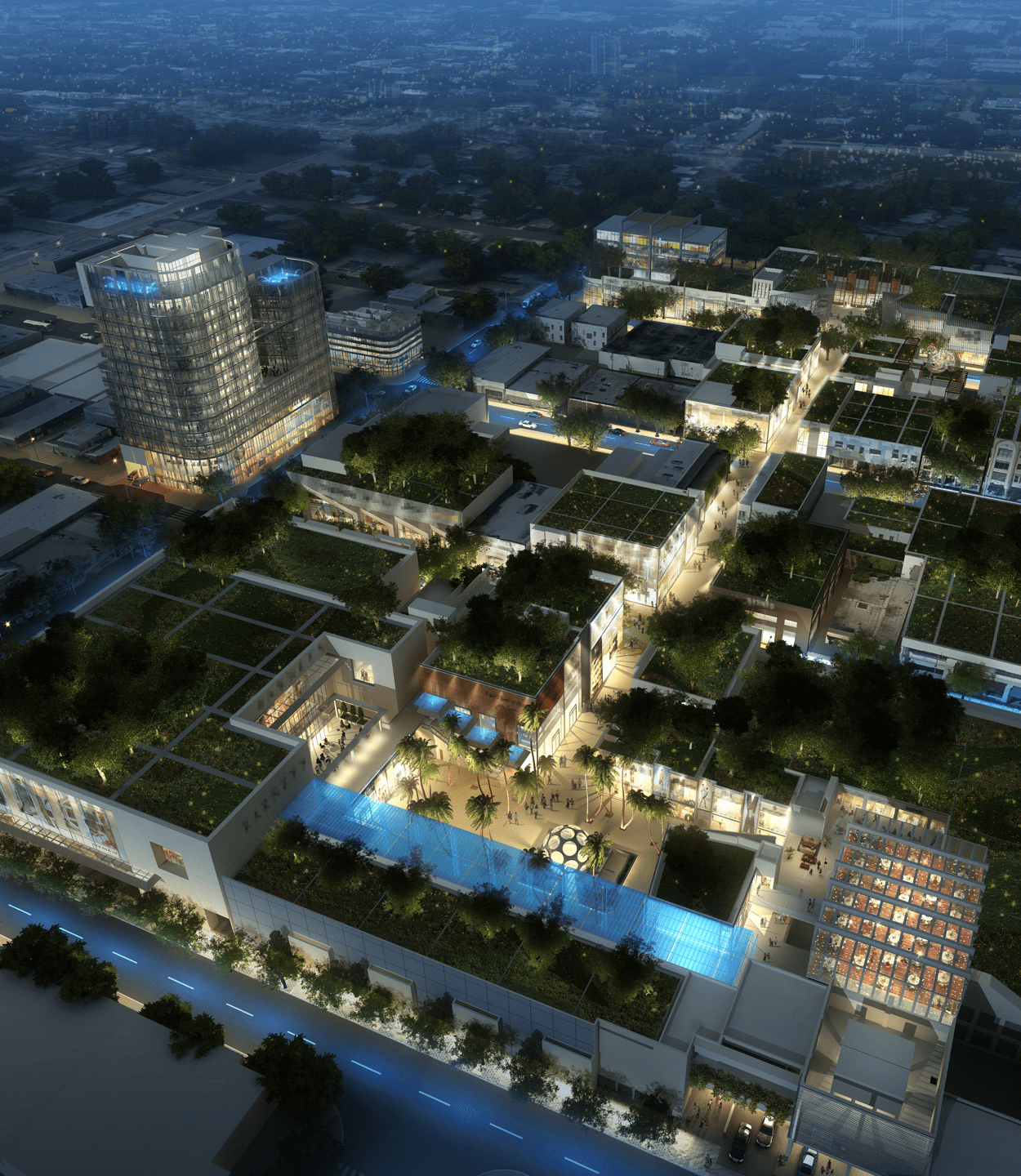
Our Urban Planning experience has involved regions as large as a county and in the case of 750, even multiple counties. The inner-city work has involved urban areas of all types ranging from the affluent to the much less so. The greenfield projects have ranged from tiny hamlets to sites as large as 2,000 acres, containing as many as 12 distinct neighborhoods. At the larger scales, DPZ’s understanding of Urbanism can add substantial value. To campuses, especially if associated with college towns, we can also add substantial value in terms of student satisfaction.
 miami 21
code-writing
our services
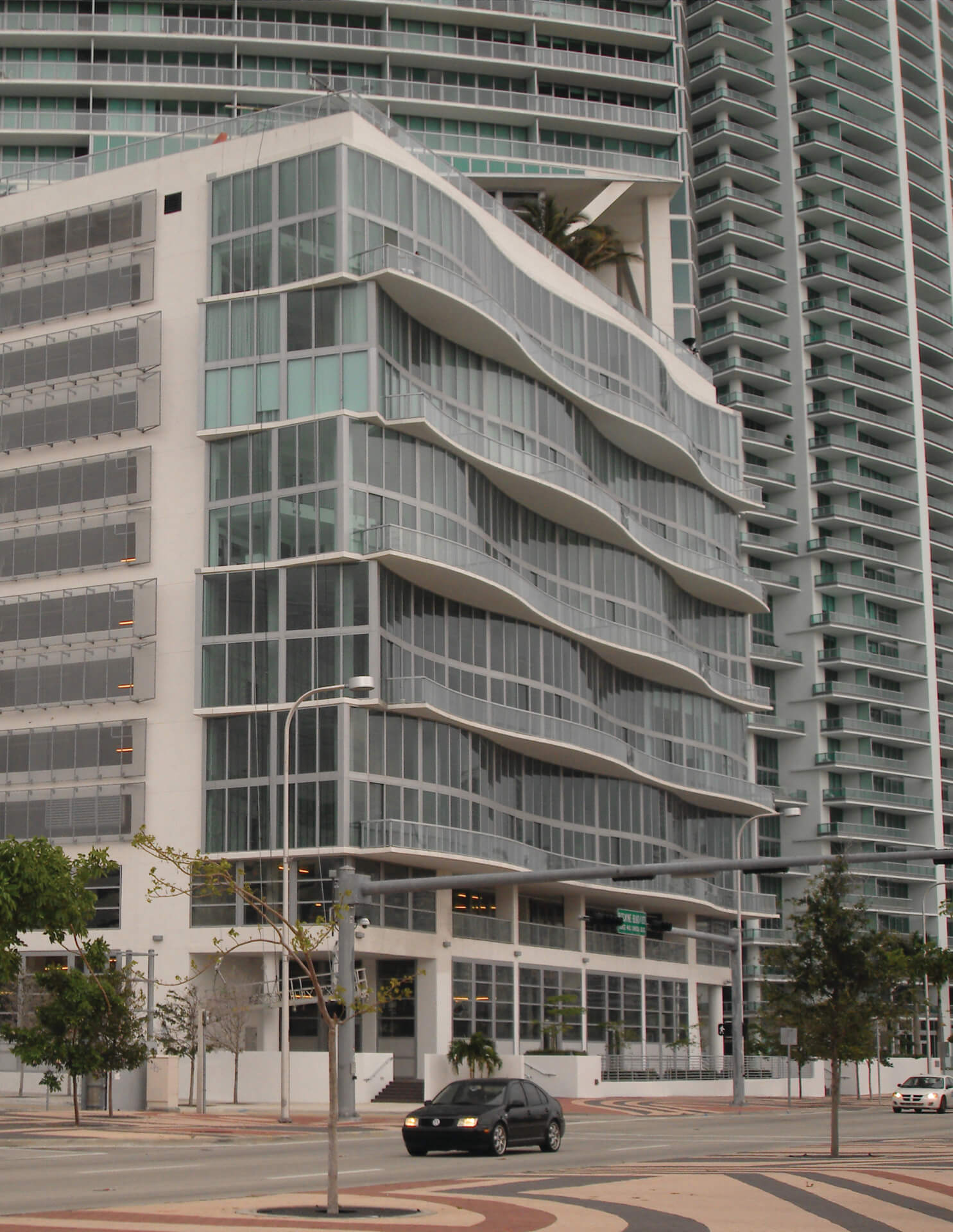
When working with Arquitectonica, we became aware of the power of Codes. They literally shaped the buildings, moreso even, than the architect’s intention. In 1980, after designing one successful pocket neighborhood, Charleston Place, when the time came for our first large project, we realized that true diversity could not be falsified by a single architect and that we needed a method to involve other architects. From Seaside emerged the first Form-Based Code. This proved to be so successful that it has taken on a life of its own, quite independently of DPZ, and within the New Urbanist movement.
We continue to design form-based codes for our own urban planning schemes and for existing cities. Through the Center of Applied Transect Studies we have also developed a model ordinance called the SmartCode, which has been widely adopted and used hundreds of times for greenfield projects by others and for municipalities.
 Bermuda Village
architecture
our services
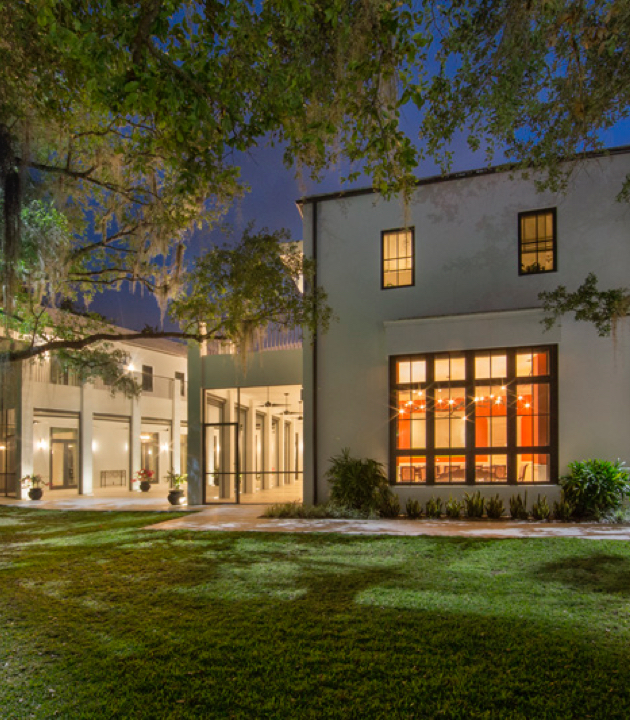
Our relationship to Architecture consists principally of doing demonstration buildings, writing codes and supervising the work of architects. In some cases when the urban project is small we will design all the buildings for a pocket neighborhood, rather than code out the work to others.
At the scale of the individual building, we are merely competent. In all cases, when we’re consultants for the project at hand, we will recommend another firm which to our knowledge would be the best or as often happens, we will collaborate with such a firm, or with one already selected by the developer.
codesign method
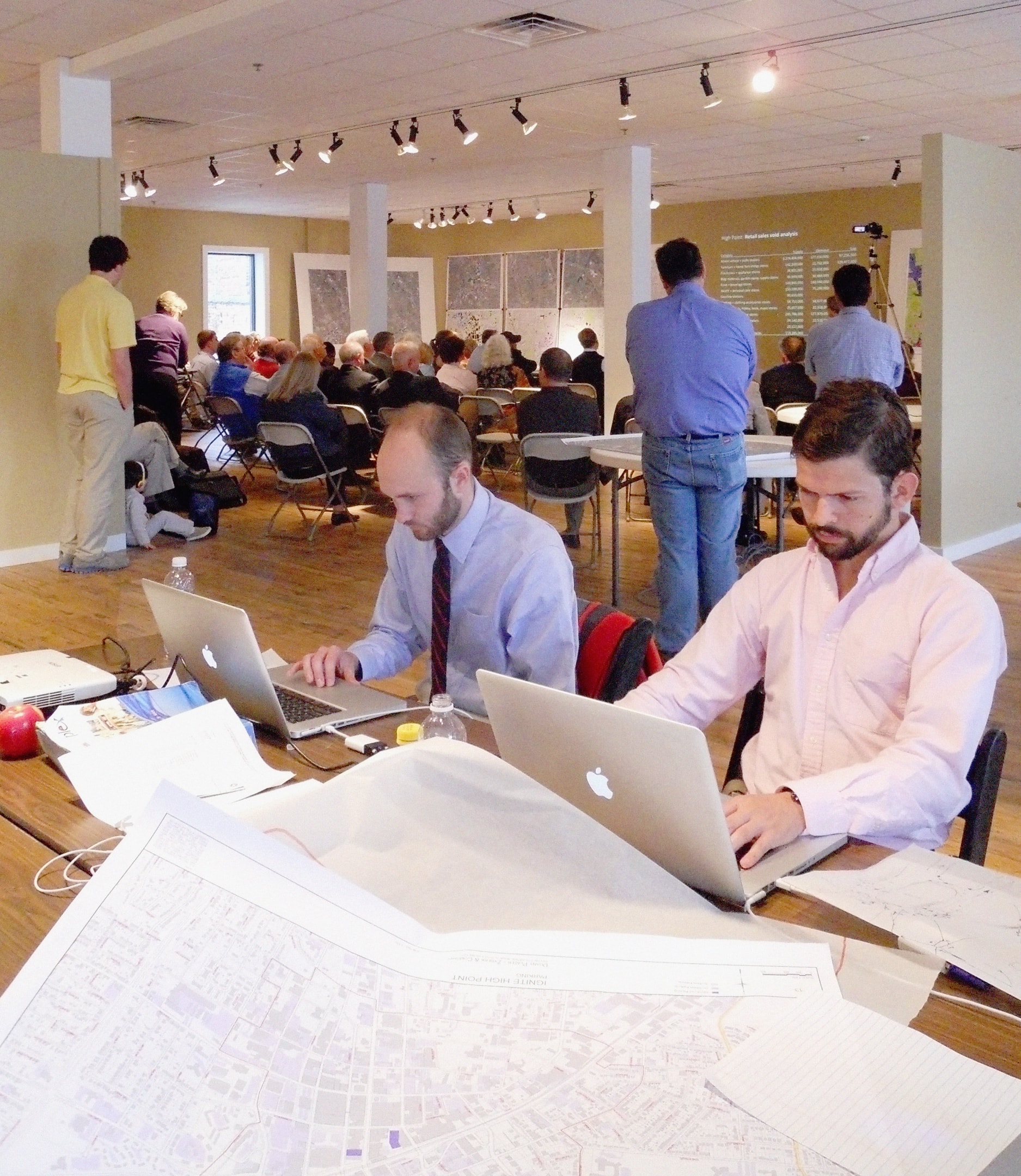
Collaborative Community Design. We always work in the presence of the decision makers. This, at a minimum, involves our client's presence during the design process. At the maximum, this involves the various consultants, regulators, elected officials, end users, and even the project's opponents. This is achieved in a highly coordinated process called CoDesign. It is to our clients’ advantage that we are usually able to compress months of work into a week or less. CoDesign focuses the DPZ team, client and the project consultants exclusively on the process. This assures coordination and more subtly—the concentrated attention of the principals—little is delegated to junior staff, as often happens when the project is done away from the client in office.